
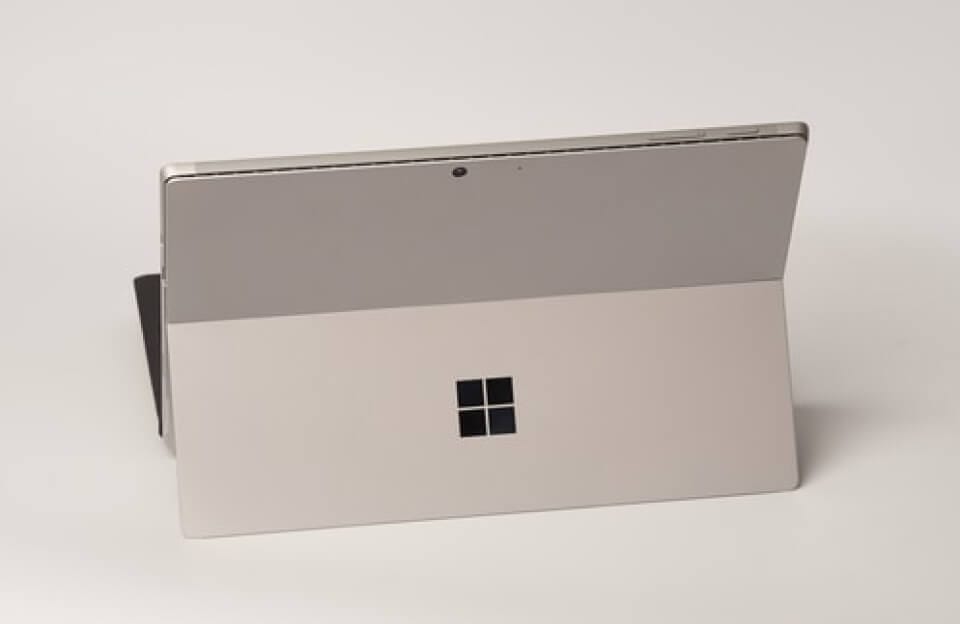
Microsoft Surface for Families of Teens: A Smart Choice for Learning, Creativity, and Balance
In today’s fast-evolving digital world, families with teenagers face a unique challenge: finding the right technology that supports education, creativity, and responsible screen time. The Microsoft Surface lineup has emerged as a versatile solution designed to meet the dynamic needs of modern teens while giving parents confidence in both performance and safety.
A Device That Grows with Your Teen
Teenagers are at a stage where their needs rapidly evolve—from school assignments and research projects to creative hobbies and social interaction. Devices like the Microsoft Surface Pro 9 and Microsoft Surface Laptop 5 offer flexibility that adapts as teens grow.
The 2-in-1 functionality allows students to switch between laptop mode for typing essays and tablet mode for reading, drawing, or note-taking. This adaptability ensures that one device can serve multiple purposes, reducing the need for additional gadgets.
Built for Education and Productivity
Education remains the top priority for most families, and Surface devices are optimized for learning environments. With integration into Windows 11 and Microsoft 365, teens gain access to essential tools like Word, Excel, PowerPoint, and OneNote.
These tools are widely used in schools and universities, making it easier for teens to collaborate on group projects, organize their work, and develop digital skills that are crucial for future careers. Features like cloud storage and real-time collaboration also encourage teamwork and efficiency.
Encouraging Creativity and Innovation
Beyond academics, teenagers often explore creative outlets such as digital art, video editing, and music production. Surface devices support creativity with high-resolution touchscreens and compatibility with accessories like the Surface Slim Pen 2.
Whether sketching designs, editing photos, or creating presentations, teens can express themselves freely. The responsive touch interface makes the experience intuitive, bridging the gap between traditional and digital creativity.
Portability for an Active Lifestyle
Teens today are constantly on the move—between school, extracurricular activities, and social events. Surface devices are designed with portability in mind, featuring lightweight builds and long battery life.
This makes it easy for teens to carry their devices throughout the day without worrying about frequent charging. Whether working in a classroom, café, or at home, Surface devices provide consistent performance wherever they go.
Safety and Parental Peace of Mind
One of the biggest concerns for families is ensuring that teenagers use technology responsibly. Microsoft addresses this with built-in family safety features through Microsoft Family Safety.
Parents can:
- Monitor screen time
- Set app and game limits
- Filter inappropriate content
- Track device usage
These tools help create a balanced digital environment, allowing teens to enjoy technology while maintaining healthy habits.
Supporting Hybrid Learning and Communication
The shift toward hybrid learning has made reliable communication tools essential. Surface devices come equipped with high-quality cameras, microphones, and speakers, making them ideal for video calls and online classes.
Platforms like Microsoft Teams integrate seamlessly, enabling students to attend virtual lessons, participate in discussions, and stay connected with teachers and classmates.
Durability and Long-Term Value
Investing in technology for teenagers requires consideration of durability and longevity. Surface devices are known for their premium build quality and reliable performance, ensuring they can withstand daily use.
While the initial cost may be higher than some alternatives, the long-term value lies in their versatility and lifespan. A single Surface device can often replace multiple tools, making it a cost-effective choice over time.
Promoting Digital Responsibility
Equipping teens with advanced technology also presents an opportunity to teach responsibility. Surface devices, combined with parental guidance, encourage teens to manage their time, organize their tasks, and use digital tools productively.
This balance between freedom and structure helps teenagers develop essential life skills, preparing them for higher education and future careers.
Conclusion
For families navigating the complexities of raising teenagers in a digital age, Microsoft Surface offers a well-rounded solution. With its blend of performance, flexibility, creativity tools, and safety features, it supports both academic success and personal growth.
By choosing the right technology, parents can empower their teens to learn, create, and connect—while maintaining a healthy and balanced relationship with the digital world.
