
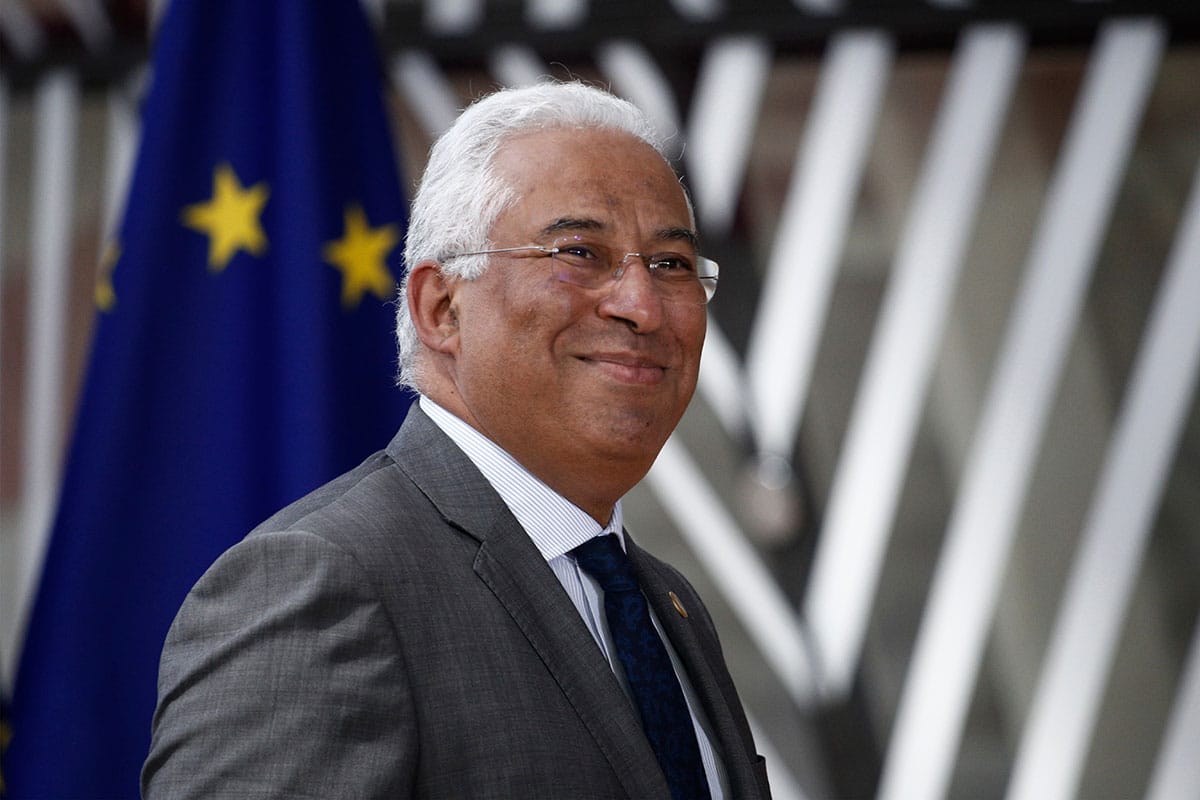
Prime Minister of Portugal António Costa Arrives for a High-Stakes Meeting with European Union Leaders
Introduction
The arrival of Portugal’s Prime Minister, António Costa, at a crucial gathering of European Union leaders has drawn significant international attention. As Europe continues to navigate complex challenges ranging from economic recovery to energy security and geopolitical tensions, this meeting represents a pivotal moment for collaboration and strategic decision-making.
This article provides a comprehensive and SEO-optimized overview of the meeting, its context, key agenda points, and the role of Portugal in shaping the future of the European Union.
Background: António Costa and Portugal’s Role in Europe
António Costa has been a prominent figure in European politics since becoming Prime Minister of Portugal in 2015. Known for his pragmatic leadership and commitment to social and economic stability, Costa has consistently advocated for stronger European unity.
Portugal, although a smaller EU member state, plays a strategic role in shaping policies related to:
- Economic cohesion
- Climate change initiatives
- Digital transformation
- Social welfare policies
Costa’s leadership has positioned Portugal as a bridge-builder within the EU, often promoting consensus among member states with differing priorities.
The Significance of the EU Leaders Meeting
The meeting of European Union leaders is one of the most important political events in Europe. These summits bring together heads of state and government to discuss pressing issues affecting the region.
Key reasons why this meeting is significant:
- Coordinating economic recovery strategies
- Addressing energy supply challenges
- Strengthening defense and security cooperation
- Advancing climate goals under the European Green Deal
The presence of António Costa highlights Portugal’s active participation in shaping EU-wide decisions.
Key Agenda Topics
1. Economic Recovery and Growth
Europe continues to recover from recent economic disruptions, and leaders are focusing on sustainable growth strategies. Discussions are expected to include:
- Investment in green and digital sectors
- Strengthening the single market
- Supporting small and medium-sized enterprises (SMEs)
Portugal has been a strong advocate for inclusive growth, emphasizing policies that reduce inequality across member states.
2. Energy Security and Transition
Energy remains a critical concern for the European Union. With fluctuating global energy markets, leaders are working toward:
- Diversifying energy sources
- Increasing renewable energy adoption
- Enhancing energy independence
António Costa has consistently supported renewable energy initiatives, positioning Portugal as a leader in clean energy.
3. Climate Change and Sustainability
Climate policy is at the forefront of EU discussions. The European Green Deal aims to make Europe climate-neutral by 2050.
During the meeting, leaders are expected to:
- Review progress on emissions reduction
- Strengthen environmental regulations
- Promote sustainable infrastructure projects
Portugal’s commitment to sustainability aligns closely with EU climate objectives, reinforcing its role in environmental policymaking.
4. Geopolitical Challenges and Security
Global tensions and regional conflicts continue to influence EU policies. Leaders are discussing:
- Strengthening defense cooperation
- Addressing migration challenges
- Enhancing cybersecurity measures
António Costa is expected to contribute to discussions on maintaining stability and promoting diplomatic solutions.
António Costa’s Strategic Approach
As a seasoned leader, António Costa brings a balanced and pragmatic approach to EU negotiations.
Key aspects of his leadership:
- Focus on consensus-building
- Support for social policies
- Commitment to European integration
- Advocacy for sustainable development
His ability to navigate complex political landscapes makes him a respected voice among EU leaders.
Portugal’s Growing Influence in the EU
Despite its size, Portugal has gained increasing influence within the European Union.
Factors contributing to this influence:
- Stable economic policies
- Strong commitment to EU values
- Leadership in renewable energy
- Active participation in EU initiatives
Portugal’s role demonstrates that smaller member states can significantly impact EU decision-making.
Expected Outcomes of the Meeting
While EU summits often involve extensive negotiations, several potential outcomes are anticipated:
- Agreements on economic recovery measures
- New policies to enhance energy security
- Strengthened commitments to climate goals
- Coordinated strategies for geopolitical challenges
The contributions of António Costa are expected to play a role in shaping these outcomes.
Global Implications
Decisions made by the European Union have far-reaching global implications.
Impact areas include:
- International trade
- Climate action
- Global energy markets
- Diplomatic relations
Portugal’s participation ensures that diverse perspectives are included in these global discussions.
Media and Public Attention
The arrival of António Costa at the summit has attracted widespread media coverage. Analysts and observers are closely monitoring:
- His statements and policy positions
- Portugal’s role in negotiations
- Outcomes of the meeting
Public interest remains high as citizens across Europe look for solutions to ongoing challenges.
Conclusion
The participation of António Costa in the European Union leaders’ meeting underscores Portugal’s commitment to collaboration and progress within the EU. As Europe faces a complex and evolving landscape, strong leadership and unified action are more important than ever.
This meeting represents not only an opportunity to address immediate concerns but also a chance to shape the long-term future of the European Union. With leaders like Costa at the table, the EU continues to move toward a more resilient, sustainable, and unified future.
